Free Video From Dr. Joe Vitale
Erase Negative Energy 100X Faster
"With This Simple 60-Second Ritual"
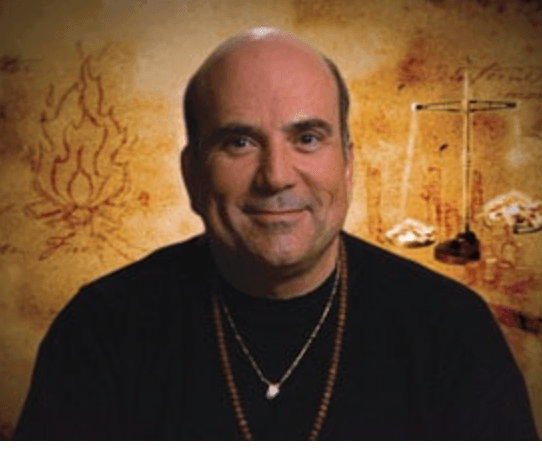
You will learn…
The real reason manifestation feels blocked
The 60-second ritual that clears energy fast
How to reprogram your subconscious mind
Why effort isn’t needed when energy aligns
Get rid of what's in the way...
Your subconscious shapes nearly all your reality but it may be working against your goals. In this free 60-second ritual you’ll learn how to erase hidden energy blocks and reprogram your mind for abundance.
As Seen In:

Copyright (C) Statbrook Associates, LLC
© 2025 Clearing Academy. All Rights Reserved. This site is not a part of the Facebook™ website or Meta Platforms, Inc. Additionally, this site is NOT endorsed by Facebook™ in any way. The information provided here is for educational purposes only and should not be taken as medical, financial, or psychological advice. Results may vary from person to person.
Reserve your spot
Lorem ipsum dolor sit amet, consectetur, numquam enim ab voluptate id quam.
We HATE spam. Your email address is 100% secure